In this article, we explain everything you need to know about the Fukuda Stepping Test Unterberger Step Test. We will cover the aspects it evaluates, the target population, a detailed step-by-step explanation, and how to interpret its results. Additionally, we will dive into the scientific evidence supporting this tool (diagnostic sensitivity and specificity) in clinical assessment. You will also find official and unofficial sources available for download in PDF format.
What does the Fukuda Stepping Test Unterberger Step Test assess?
The Fukuda Stepping Test, also known as the Unterberger Step Test, is a clinical assessment used to evaluate vestibular function by observing an individual’s ability to maintain orientation and balance during marching in place with eyes closed. Its main purpose is to detect asymmetrical vestibular deficits that may indicate unilateral labyrinthine dysfunction or central vestibular pathology. A Fukuda stepping test positive result, characterized by significant rotation or deviation from the starting position, suggests underlying impairment of the vestibular apparatus. The test is often considered complementary to other balance assessments such as the Romberg test, providing additional information about the integrity of the peripheral and central vestibular pathways. Reliable clinical protocols and detailed interpretations can be found in specialized resources, including the Fukuda stepping test PDF guidelines.
For which type of patients or populations is the Fukuda Stepping Test Unterberger Step Test intended?
The Fukuda Stepping Test, also known as the Unterberger Step Test, is primarily indicated for patients presenting with symptoms of vestibular dysfunction such as dizziness, imbalance, or unexplained falls. It is most useful in clinical contexts where peripheral vestibular lesions, including unilateral vestibular hypofunction or vestibular neuritis, are suspected. The test complements other assessments like the Romberg test by helping to objectively evaluate vestibular function through evaluation of involuntary body rotation during stepping in place. A Fukuda stepping test positive result, characterized by significant deviation from the starting position, suggests lateralized vestibular impairment. This examination is valuable in both outpatient neurology and otolaryngology settings for rapid bedside screening and differential diagnosis of balance disorders.
Step-by-Step Explanation of the Fukuda Stepping Test Unterberger Step Test
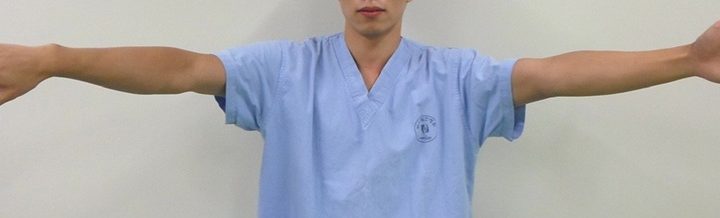
The Fukuda Stepping Test, also known as the Unterberger Step Test, requires the patient to perform 50 marching steps in place with eyes closed and arms extended forward to assess vestibular function. The examiner observes for any rotation greater than 30 degrees or forward deviation, which may indicate unilateral vestibular hypofunction or central nervous system pathology. The test consists of a single task with a qualitative response format, focusing on angular displacement measured in degrees. No questionnaires or additional items are involved; the assessment relies solely on direct observation and measurement of the patient’s deviation during the procedure.
Fukuda Stepping Test Unterberger Step Test PDF: Downloadable Original & English Versions
Below are downloadable resources in both the original and English versions of the Fukuda Stepping Test Unterberger Step Test, provided in PDF format for ease of reference. These materials support clinicians in administering the assessment accurately and interpreting results effectively, particularly when evaluating vestibular function and balance disorders. Availability of the Fukuda stepping test PDF facilitates standardized testing protocols and enhances diagnostic confidence in conjunction with complementary assessments such as the Romberg test.
How to interpret the results of the Fukuda Stepping Test Unterberger Step Test?
The Fukuda Stepping Test, also known as the Unterberger Step Test, evaluates vestibular function by measuring angular deviation during marching in place with eyes closed. A rotation exceeding 30 degrees from the starting position is generally indicative of a unilateral vestibular lesion. The degree of rotation (θ) can be calculated using the formula θ = final angular position – initial angular position. Healthcare professionals interpret results within the context of normative data, where minimal deviation (less than 30 degrees) suggests normal vestibular symmetry, while greater deviations may signify vestibular hypofunction or peripheral vestibular disorders. Practically, significant deviations guide clinicians toward targeted diagnostic evaluations and tailored rehabilitation strategies, enhancing patient outcomes in balance and dizziness management.
What scientific evidence supports the Fukuda Stepping Test Unterberger Step Test ?
The Fukuda Stepping Test, also known as the Unterberger Step Test, was first described in the 1950s as a clinical tool to assess vestibular function by observing rotational deviation during marching in place with eyes closed. Subsequent studies have demonstrated its utility in detecting unilateral vestibular hypofunction, with rotational angles exceeding 30 degrees commonly indicative of peripheral vestibular disorders such as vestibular neuritis or Meniere’s disease. However, its sensitivity and specificity vary considerably; research indicates that the test alone may not reliably differentiate central from peripheral causes of imbalance due to confounding factors like proprioceptive input and musculoskeletal conditions. Validation efforts incorporating electronystagmography and posturography have contributed to understanding the test’s role as a complementary diagnostic instrument rather than a definitive measure. Historically, it remains valued for its simplicity and rapid bedside application in the evaluation of patients presenting with dizziness or disequilibrium.
Diagnostic Accuracy: Sensitivity and Specificity of the Fukuda Stepping Test Unterberger Step Test
The Fukuda Stepping Test, also known as the Unterberger Step Test, exhibits variable sensitivity and specificity depending on the population studied and the diagnostic criteria applied. Studies indicate a sensitivity range of approximately 50% to 60% in detecting unilateral vestibular dysfunction, reflecting moderate ability to identify affected individuals. Specificity is generally higher, reported between 70% and 80%, suggesting a relatively strong capacity to exclude patients without vestibular pathology. However, factors such as examiner technique and patient compliance can influence these metrics, thereby affecting the overall diagnostic accuracy of the test in clinical practice.
Related Scales or Questionnaires
The Fukuda Stepping Test, also known as the Unterberger Step Test, shares similarities with the Romberg test and the Sensory Organization Test (SOT), which are widely utilized to assess balance and vestibular function. The Romberg test, examined extensively on ClinicalToolsLibrary.com, evaluates postural stability primarily through proprioceptive and visual inputs, but may not detect subtle vestibular deficits as effectively as the Fukuda test. The SOT offers quantitative data through computerized dynamic posturography, providing detailed analysis but requiring specialized equipment and time-consuming administration. Questionnaires such as the Dizziness Handicap Inventory (DHI) also complement these clinical measures by capturing patient-reported outcomes; these scales are similarly detailed and downloadable from our website. While the Fukuda test, including its Fukuda stepping test PDF protocol, is simple and cost-effective for bedside assessment, a notable limitation is its variable sensitivity, which can yield false negatives in mild cases. Thus, integrating multiple tests enhances diagnostic accuracy for conditions involving vestibular dysfunction and balance disorders.