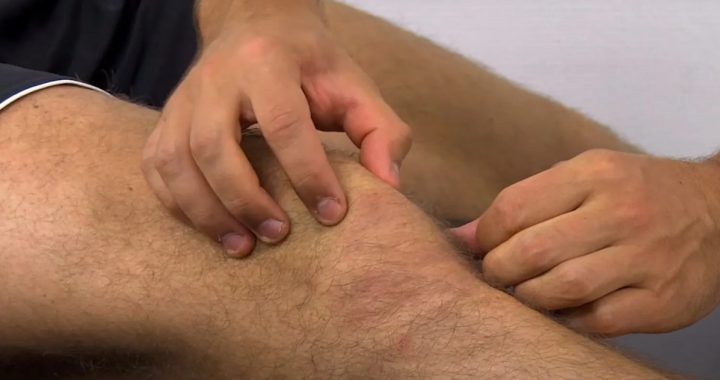
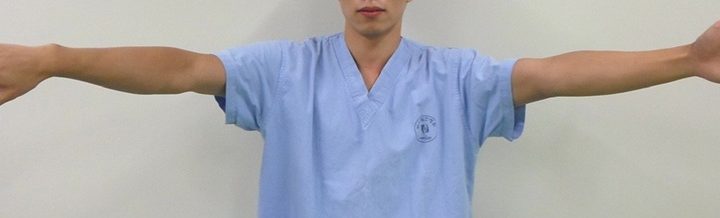
In this article, we explain everything you need to know about the Tardieu Scale for Spasticity. We will cover the aspects it evaluates, the target population, a detailed step-by-step explanation, and how to interpret its results. Additionally, we will dive into the scientific evidence supporting this tool (diagnostic sensitivity and specificity) in clinical assessment. You will also find official and unofficial sources available for download in PDF format.
What does the Tardieu Scale for Spasticity assess?
The Tardieu Scale for spasticity assessment is a clinical tool designed to measure the muscle response to stretch at various velocities, providing a quantitative evaluation of muscle tone disturbances typically observed in patients with neurological conditions such as stroke or cerebral palsy. Its primary purpose is to differentiate between the neural and mechanical components of spasticity by assessing the angle of muscle reaction during passive movement at slow and fast speeds. The scale offers an objective framework for the Tardieu Scale interpretation, enabling clinicians to tailor treatment strategies more effectively. Compared to the Modified Ashworth Scale, the Modified Tardieu Scale incorporates velocity-dependent measurements and produces a detailed Modified Tardieu Scale scoring system that enhances sensitivity and specificity in spasticity evaluation. For comprehensive guidance, clinicians may refer to resources such as the Tardieu Scale PDF download or the Spasticity assessment PDF to ensure standardized application and reporting.
For which type of patients or populations is the Tardieu Scale for Spasticity intended?
The Tardieu Scale is primarily indicated for patients exhibiting spasticity due to upper motor neuron lesions, commonly seen in populations affected by stroke, multiple sclerosis, cerebral palsy, and traumatic brain injury. It is most useful in clinical contexts requiring precise differentiation between neural and biomechanical components of muscle resistance. Compared to the Modified Ashworth Scale, the Tardieu Scale offers enhanced sensitivity by quantifying muscle response at varying velocities, thereby improving the accuracy of spasticity measurement. The Modified Tardieu Scale further refines this approach through structured scoring that facilitates standardized interpretation across diverse clinical settings. Utilization of the Tardieu Scale supports targeted rehabilitative strategies by enabling clinicians to tailor interventions based on objective spasticity assessment parameters, as outlined in available Tardieu Scale PDF download resources.
Step-by-Step Explanation of the Tardieu Scale for Spasticity
The Tardieu Scale for spasticity assessment involves a systematic evaluation of muscle response to passive stretch at varying velocities. The procedure includes 5 principal items targeting different muscle groups, each assessed through three velocities: slow (V1), speed of limb falling under gravity (V2), and as fast as possible (V3). The clinician records two types of measurements per item: the angle of muscle reaction (measured in degrees) and the quality of muscle response, rated on a 5-point ordinal scale from 0 (no resistance) to 4 (clonus lasting more than 10 seconds). This dual-component response format enables distinction between neural and mechanical contributions to resistance, providing valuable insight into spasticity severity, often seen in conditions such as stroke and cerebral palsy. Proper administration requires standardized positioning and consistent application of stretch velocities to ensure inter-rater reliability and clinical utility.
Tardieu Scale for Spasticity PDF: Original & English Versions with Scoring and Comparison Guide
Below are the downloadable resources featuring both the original and English versions of the Tardieu Scale for Spasticity in PDF format. These documents support accurate spasticity assessment and provide comprehensive guidance on Modified Tardieu Scale scoring to enhance clinical evaluation. Healthcare professionals can utilize these PDFs to compare the Tardieu Scale vs Modified Ashworth methods, facilitating informed decisions in patient management.
How to interpret the results of the Tardieu Scale for Spasticity?
The Tardieu Scale quantifies spasticity by measuring the muscle response to passive stretch at specified velocities, primarily V1 (slow), V2 (speed of limb falling), and V3 (fast as possible). The key parameter is the difference between angles of catch at different velocities, calculated as Xv3 – Xv1, where Xv3 represents the angle of muscle reaction at high velocity and Xv1 at slow velocity. A larger difference indicates greater dynamic muscle overactivity. For instance, an angle difference greater than 20° suggests significant spasticity requiring targeted intervention. The quality of muscle reaction is also graded from 0 (no resistance) to 5 (joint immobility), assisting in severity assessment. In clinical practice, these results guide rehabilitation strategies, influence decisions on pharmacological management such as botulinum toxin injections, and help prognosticate functional outcomes in conditions like stroke and cerebral palsy. Understanding these objective measures enables healthcare professionals to tailor treatment plans effectively and monitor progress over time.
What scientific evidence supports the Tardieu Scale for Spasticity ?
The Tardieu Scale was developed in the mid-20th century to quantify spasticity by assessing muscle responses at different velocities of passive stretch. Its validation is supported by numerous studies demonstrating high inter-rater and intra-rater reliability, particularly in conditions such as stroke and cerebral palsy. Compared to other scales like the Modified Ashworth Scale, the Tardieu Scale provides a more nuanced differentiation between neural and non-neural components of muscle hypertonia, leveraging its measurement of muscle reaction angles and quality of muscle response. Electrophysiological studies and biomechanical analyses further corroborate its clinical relevance, confirming that its gradings closely correlate with underlying neural excitability and joint resistance, thereby offering objective metrics for therapeutic assessment in patients exhibiting spasticity.
Diagnostic Accuracy: Sensitivity and Specificity of the Tardieu Scale for Spasticity
The Tardieu Scale demonstrates variable sensitivity and specificity in assessing spasticity, with studies reporting sensitivity ranging from approximately 75% to 90% and specificity between 65% and 85%. Its sensitivity is generally higher when differentiating between velocity-dependent increases in muscle tone and other hypertonic conditions. Despite these ranges, the scale’s performance can be influenced by the examiner’s experience and the muscle groups assessed. Compared to other clinical measures, the Tardieu Scale provides a more dynamic evaluation, capturing responses at different stretch velocities, which enhances its diagnostic accuracy for distinguishing spasticity from non-neural components of muscle stiffness. However, variability across studies suggests that while useful, it should be complemented with additional assessments for comprehensive evaluation.
Related Scales or Questionnaires
The Tardieu Scale is frequently compared to the Modified Ashworth Scale and the Modified Tardieu Scale, all of which are established tools for spasticity assessment. The Modified Ashworth Scale is widely utilized due to its simplicity and ease of administration; however, it primarily measures resistance to passive movement without differentiating between neural and biomechanical contributions, which may limit its specificity. Conversely, the Modified Tardieu Scale provides a more detailed evaluation by assessing muscle response at different velocities, allowing for better distinction of spasticity components through its scoring system. While the Modified Tardieu Scale offers greater sensitivity and interpretive depth, it requires more clinical expertise to administer consistently. Each of these scales, including their advantages, limitations, and scoring methodologies, are comprehensively explained and available for Tardieu Scale PDF download and further reference on ClinicalToolsLibrary.com. This resource also includes guidance on Tardieu Scale interpretation and comparative analyses such as Tardieu Scale vs Modified Ashworth, facilitating informed clinical decision-making in conditions like stroke and cerebral palsy.