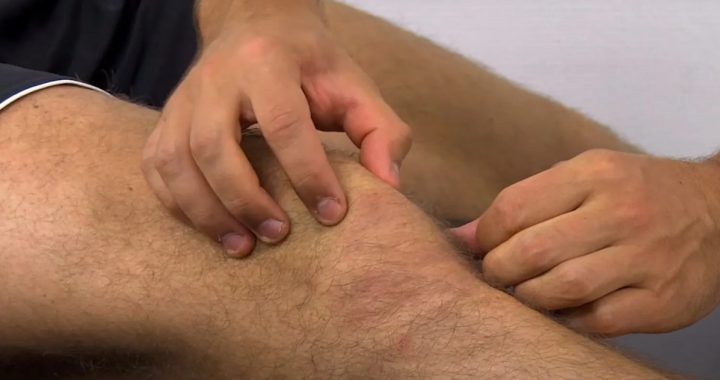
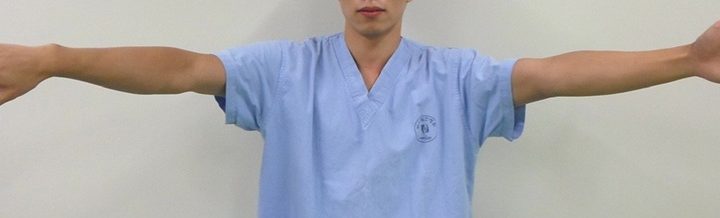
In this article, we explain everything you need to know about the Modified Ashworth Scale. We will cover the aspects it evaluates, the target population, a detailed step-by-step explanation, and how to interpret its results. Additionally, we will dive into the scientific evidence supporting this tool (diagnostic sensitivity and specificity) in clinical assessment. You will also find official and unofficial sources available for download in PDF format.
https://www.youtube.com/watch?v=Z6CudP1GHXE
What does the Modified Ashworth Scale assess?
The Modified Ashworth Scale is a clinical tool designed to assess the degree of muscle spasticity by measuring resistance during passive soft-tissue stretching. It is primarily used to evaluate individuals with neurological conditions such as stroke, multiple sclerosis, and cerebral palsy, helping healthcare professionals quantify the severity of increased muscle tone. The scale involves a standardized Modified Ashworth Scale assessment that rates muscle response on a scale typically ranging from 0 (no increase in muscle tone) to 4 (affected part rigid in flexion or extension). This tool is applicable to various body regions, including the Modified Ashworth Scale upper extremity, providing critical data for treatment planning and rehabilitation progress. Documentation of outcomes using the Modified Ashworth Scale scoring system ensures objective comparison over time and guides clinical decision-making. Resources such as the Modified Ashworth Scale PDF and references from modified ashworth scale – physiopedia support accurate application and interpretation of the scale.
For which type of patients or populations is the Modified Ashworth Scale intended?
The Modified Ashworth Scale is primarily indicated for patients exhibiting increased muscle tone, particularly those with spasticity resulting from neurological conditions such as stroke, multiple sclerosis, and cerebral palsy. It is most useful in the clinical context of assessing tone severity in both the upper and lower extremities, facilitating objective measurement for treatment planning and monitoring of therapeutic interventions. The scale enables standardized documentation of spasticity progression or improvement, with specific applicability in rehabilitation settings. Its scoring system allows clinicians to quantify resistance during passive muscle stretching, providing valuable data to guide clinical decision-making. The Modified Ashworth Scale assessment is widely referenced, with resources such as the Modified Ashworth Scale PDF and modified ashworth scale – physiopedia offering standardized procedures and examples to enhance reliability in practice.
Step-by-Step Explanation of the Modified Ashworth Scale
The Modified Ashworth Scale (MAS) consists of six items assessing resistance during passive soft-tissue stretching in patients with spasticity. The examiner moves the limb through its range of motion at a consistent velocity and rates muscle tone based on a 6-point ordinal scale, ranging from 0 (no increase in muscle tone) to 4 (limb rigid in flexion or extension). Each item evaluates a specific muscle group, with response formats including scores of 0, 1, 1+, 2, 3, or 4 that correspond to different levels of muscle tone and resistance. The MAS allows clinicians to quantify hypertonia severity, facilitating monitoring of treatment outcomes and progression in neurological conditions such as stroke and multiple sclerosis.
Modified Ashworth Scale Assessment PDFs: Original & English Versions for Upper Extremity Scoring
Below, downloadable resources are available in PDF format for the Modified Ashworth Scale assessment, including both the original and English versions. These documents facilitate standardized evaluation and Modified Ashworth Scale scoring, ensuring consistent clinical application. Access to these files supports healthcare professionals in accurately documenting spasticity levels across various patient populations, particularly when employing the Modified Ashworth Scale upper extremity protocols.
How to interpret the results of the Modified Ashworth Scale?
The Modified Ashworth Scale (MAS) quantifies spasticity by grading resistance during passive soft-tissue stretching on a scale from 0 to 4, where 0 indicates no increase in muscle tone and 4 signifies rigidity in flexion or extension. Scores of 1 or 1+ demonstrate slight increases characterized by a catch and release or minimal resistance through less than half of the range of motion, respectively, while values of 2 and 3 reflect more pronounced tone with increased resistance through most of the range or difficult passive movement. For example, a MAS score of 2 corresponds to moderate hypertonia often seen in conditions like stroke or multiple sclerosis, requiring targeted interventions to reduce muscle stiffness. Clinically, these results guide the selection and intensity of therapeutic strategies, assist in monitoring treatment efficacy, and help predict functional impairments. Although the MAS does not provide a mathematical formula, its ordinal classification supports standardized communication regarding spasticity severity, facilitating optimal management decisions in rehabilitation and neurology settings.
What scientific evidence supports the Modified Ashworth Scale ?
The Modified Ashworth Scale (MAS), developed as a refinement of the original Ashworth Scale introduced in 1964 by Ashworth, is widely utilized to assess spasticity in conditions such as stroke, multiple sclerosis, and cerebral palsy. Numerous studies have evaluated its reliability and validity, with evidence indicating moderate inter-rater reliability and acceptable sensitivity for clinical use. The MAS quantifies resistance during passive soft-tissue stretching by grading muscle tone on a scale from 0 (no increase) to 4 (rigidity), providing a standardized approach to spasticity measurement. Although some criticism exists regarding its ordinal scale nature and potential subjectivity, the tool remains extensively validated through psychometric analyses and continues to be a fundamental instrument in neurological rehabilitation research and practice.
Diagnostic Accuracy: Sensitivity and Specificity of the Modified Ashworth Scale
The Modified Ashworth Scale (MAS) is widely used to assess spasticity in clinical settings; however, its sensitivity and specificity vary across studies. Sensitivity values have generally ranged between 65% and 85%, indicating moderate ability to detect changes in muscle tone associated with upper motor neuron lesions. Specificity tends to be lower, often reported between 50% and 70%, reflecting challenges in differentiating spasticity from other forms of muscle hypertonia. These variations are influenced by examiner experience and the subjective nature of the scale, which may limit its reliability in certain populations. Despite these limitations, MAS remains a practical tool for evaluating spasticity, though it should ideally be complemented by objective measures to enhance diagnostic accuracy.
Related Scales or Questionnaires
Similar to the Modified Ashworth Scale, assessments such as the Tardieu Scale, Penn Spasm Frequency Scale, and the Composite Spasticity Scale are commonly employed to evaluate muscle spasticity in patients with neurological disorders like stroke or multiple sclerosis. The Tardieu Scale offers the advantage of measuring resistance at various velocities, providing insight into dynamic components of spasticity, though it requires more clinical expertise to administer reliably. The Penn Spasm Frequency Scale is straightforward and patient-reported but lacks objective resistance grading compared to the Modified Ashworth Scale. The Composite Spasticity Scale integrates multiple spasticity features, enhancing comprehensiveness but necessitating longer administration time. These scales and questionnaires are also explained and available for download on our website, ClinicalToolsLibrary.com, alongside resources such as the Modified Ashworth Scale PDF and documentation, including the Modified Ashworth Scale assessment and Modified Ashworth Scale scoring protocols.