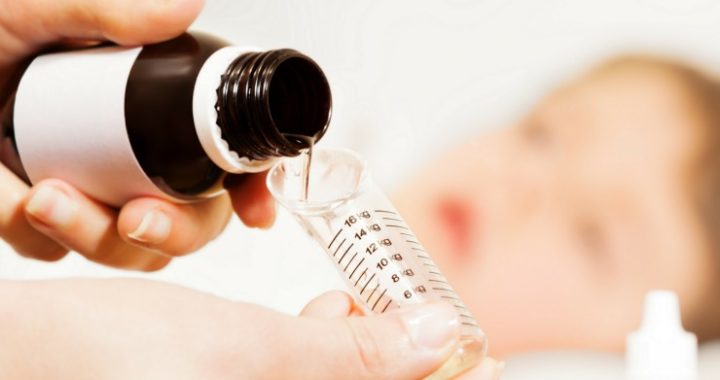
This Tylenol dosage by weight calculator helps parents and clinicians work out a safe acetaminophen dose for a child in seconds, using the same milligram-per-kilogram rule that the American Academy of Pediatrics (AAP) and the U.S. Food and Drug Administration recommend. Weight is a more accurate guide than age, especially for infants, toddlers, and children whose size does not match the average for their age. The chart and explanations below cover infants from 12 weeks of age through children weighing roughly 95 lb (43 kg), with conversions to millilitres of the standard 160 mg / 5 mL liquid concentration. This page is an educational reference; it is not a substitute for advice from your pediatrician, pharmacist, or the dosing instructions on your product label.
Tylenol dosage by weight
Used for safety checks only — dose is calculated from weight.
The weight-based formula
Volume (mL) = dose (mg) ÷ 32 (for 160 mg / 5 mL liquid)
The American Academy of Pediatrics, the FDA's standardised pediatric liquid acetaminophen label, and the major pediatric hospital dosing tables all use the same 10–15 mg/kg single-dose range, repeated no more than every 4 hours, with no more than five doses in 24 hours. Most clinical defaults anchor at 12.5–15 mg/kg.
Worked example shown by this calculator
Enter a weight to see the worked calculation.
Independent back-check
The calculator also reports the mg/kg the chosen dose actually delivers (after rounding to a measurable volume), so you can confirm it falls back inside the 10–15 mg/kg corridor. If rounding pushes the value above 15 mg/kg, the calculator rounds down to the nearest 0.25 mL.
Weight-band reference chart
Adapted from the AAP HealthyChildren acetaminophen dosing tables and MedlinePlus pediatric dosing. The same per-kilogram rule applies for rectal suppositories (oral dose = rectal dose).
| Weight (lb) | Weight (kg) | Dose (mg) | Liquid 160/5 (mL) | Chewable 160 mg |
|---|---|---|---|---|
| 6–11 | 2.7–5.0 | 40 | 1.25 | — |
| 12–17 | 5.5–7.7 | 80 | 2.5 | — |
| 18–23 | 8.2–10.5 | 120 | 3.75 | — |
| 24–35 | 10.9–15.9 | 160 | 5 | 1 |
| 36–47 | 16.4–21.4 | 240 | 7.5 | 1½ |
| 48–59 | 21.8–26.8 | 320 | 10 | 2 |
| 60–71 | 27.3–32.3 | 400 | 12.5 | 2½ |
| 72–95 | 32.7–43.2 | 480 | 15 | 3 |
| 96+ | 43.6+ | 640 | — | 4 |
Hard limits this calculator enforces
- Under 12 weeks (3 months): calculator blocks output. Any fever in this age group needs same-day medical assessment.
- Chewable tablets under 4 years: blocked — choking risk; liquid suggested instead.
- Adult-strength tablets under 12 years: blocked.
- Single dose > 1,000 mg: capped, with a caution.
- Daily total > 75 mg/kg or > 4,000 mg / 24 h: blocked.
Common, dangerous mistakes
- Using a kitchen teaspoon instead of the dosing syringe — household spoons can vary by 50% or more.
- Combining acetaminophen with a multi-symptom cold remedy that already contains acetaminophen (APAP).
- Re-dosing earlier than 4 hours after the previous dose.
- Confusing the old 80 mg / 0.8 mL "infant drops" (withdrawn) with the current 160 mg / 5 mL standard.
- Giving acetaminophen to a pet — it is fatal in cats and toxic in dogs; contact your vet or animal poison control.
If you suspect an overdose
Call Poison Help in the United States at 1-800-222-1222 immediately, even if your child seems well. Adverse events can be reported to the FDA via MedWatch.
Sources verified for this tool
- FDA — Acetaminophen (consumer information)
- American Academy of Pediatrics — Acetaminophen dosing tables (HealthyChildren.org)
- NIH MedlinePlus — Acetaminophen dosing for children
- FDA — Guidance on OTC pediatric oral liquid acetaminophen
- FDA MedWatch — adverse event reporting
Full disclaimer
This calculator is provided by clinicaltoolslibrary.com as an educational decision aid only. It does not provide medical advice, diagnosis, or treatment, and it is not a substitute for the dosing instructions printed on your specific product label or the advice of your pediatrician or pharmacist.
Outputs depend entirely on the values you enter. Confirm your child's weight, the product concentration, and the dose before administration. Report suspected adverse events to your national medicines regulator — in the United States, via FDA MedWatch. To report an error in this tool, contact us via clinicaltoolslibrary.com.
Investigational / not-approved use
This calculator covers only routes and formulations approved for over-the-counter and prescription use of acetaminophen / paracetamol. It does not cover intravenous acetaminophen (a prescription-only hospital product with separate weight-tiered dosing) and does not generate veterinary doses.
How the Tylenol dosage by weight calculator works
The calculator above takes one input — your child’s weight — and returns the recommended single dose of acetaminophen in milligrams, plus the volume in millilitres for the standard 160 mg / 5 mL liquid. Behind the scenes it applies the same weight-based formula used in pediatric clinical practice, then rounds the volume to a value you can actually measure with the syringe that came with the bottle.

The 10–15 mg/kg formula
The standard pediatric oral dose of acetaminophen is 10–15 mg per kilogram of body weight, every 4–6 hours as needed, with no more than five doses in any 24-hour period. Most clinicians anchor the calculation at the middle of that range (around 12–15 mg/kg) for fever and pain, then round down to a volume that can be measured accurately. Worked example: a 10 kg infant needs roughly 100–150 mg per dose; a 20 kg child needs roughly 200–300 mg per dose.
Converting pounds to kilograms
Acetaminophen dosing is calculated in kilograms, so weights given in pounds need to be converted first. The exact conversion is kg = lb ÷ 2.2046; in practice, dividing by 2.2 is close enough. For example, 11.5 kg is about 25.4 lb, and 33 lb is about 15 kg. The dosage chart below has both units side by side so you do not have to do the maths yourself.
Converting milligrams to millilitres (160 mg / 5 mL)
Since the FDA’s 2011 standardisation of pediatric liquid acetaminophen, virtually all infant and children’s products sold in the United States now contain 160 mg per 5 mL, which works out to 32 mg per mL. To convert a calculated dose into a volume to draw up: mL = mg ÷ 32. So a 120 mg dose = 3.75 mL; a 160 mg dose = 5 mL; a 240 mg dose = 7.5 mL. Always use the dosing syringe that came with the bottle — household teaspoons can vary by 50% or more.
Children’s Tylenol dosage chart by weight
The children’s Tylenol dosage chart below mirrors the weight bands published by the American Academy of Pediatrics. Use weight whenever you know it; only fall back to age if you do not. If your child’s weight falls on a band boundary, choose the lower band and recheck with your pediatrician.
| Weight (lb) | Weight (kg) | Age guide* | Dose (mg) | Liquid 160 mg / 5 mL | Chewable 160 mg |
|---|---|---|---|---|---|
| 6–11 | 2.7–5.0 | 0–3 months | 40 mg | 1.25 mL | — |
| 12–17 | 5.5–7.7 | 4–11 months | 80 mg | 2.5 mL | — |
| 18–23 | 8.2–10.5 | 12–23 months | 120 mg | 3.75 mL | — |
| 24–35 | 10.9–15.9 | 2–3 years | 160 mg | 5 mL | 1 tablet |
| 36–47 | 16.4–21.4 | 4–5 years | 240 mg | 7.5 mL | 1½ tablets |
| 48–59 | 21.8–26.8 | 6–8 years | 320 mg | 10 mL | 2 tablets |
| 60–71 | 27.3–32.3 | 9–10 years | 400 mg | 12.5 mL | 2½ tablets |
| 72–95 | 32.7–43.2 | 11 years | 480 mg | 15 mL | 3 tablets |
| 96+ | 43.6+ | 12+ years | 640 mg | — | 4 tablets |
*Age column is a fallback only — always dose by actual weight when you know it. Chart adapted from the AAP HealthyChildren acetaminophen dosing tables and MedlinePlus pediatric acetaminophen dosing.
Liquid acetaminophen (160 mg / 5 mL)
Liquid is the format used for almost all infants and younger children. Since the FDA’s guidance on over-the-counter pediatric oral liquid acetaminophen, the older, more concentrated “infant drops” (80 mg / 0.8 mL) have been withdrawn, and the same 160 mg / 5 mL strength is now used for both infants’ and children’s products. The only practical difference between an “Infants’ Tylenol” bottle and a “Children’s Tylenol” bottle is the dosing device that comes with it (a small syringe versus a dosing cup).
Chewable tablets and dissolvable powders
Chewable acetaminophen tablets are usually 160 mg per tablet (some 80 mg “junior” formulations also exist — check the label). Dissolvable powder packs are produced for children aged 6–11 years weighing roughly 48–95 lb. Children under 4 years of age should not be given chewables or any solid form, because of the choking risk.
Acetaminophen suppositories by weight
Acetaminophen suppositories are sold in 80, 120, 325, and 650 mg strengths. The rectal dose by weight is the same as the oral dose by weight, so the table above applies. Suppositories are useful when a child is vomiting or refusing to swallow medicine. Do not cut a suppository to make a smaller dose unless a clinician has told you to — the active drug is not always evenly distributed inside it.
Infant Tylenol dosage: special considerations
Infants need extra care because their livers metabolise acetaminophen more slowly, dosing volumes are very small, and a fever in a young baby can itself be a medical emergency. The infant Tylenol dosage by weight follows the same 10–15 mg/kg rule as for older children, but with the warnings below.
Infant vs. children’s Tylenol — are they different?
No, not chemically. Since the 2011 FDA standardisation, both products contain the same 160 mg / 5 mL concentration. The bottle labelled for infants typically comes with a 0–5 mL oral syringe (which is easier to use with very small volumes such as 1.25 mL or 2.5 mL), while the children’s bottle comes with a dosing cup. If you only have one bottle in the house, the dose by weight is identical — just measure the correct volume with a syringe.
Post-vaccination fever
Routinely giving acetaminophen before a vaccination to prevent fever is generally not recommended; trial evidence suggests it may slightly reduce the antibody response to some vaccines. Give it after the vaccination, by weight, only if the baby becomes uncomfortable or develops a fever. Always confirm this approach with your pediatrician.
Safety, maximum doses, and overdose warnings
Acetaminophen has a narrow safety margin. The FDA’s consumer page on acetaminophen notes that taking more than directed is the leading cause of acute liver failure in the United States. Most overdoses are unintentional and trace back to one of three patterns: doubling up on a combination cold-and-flu product that already contains acetaminophen, giving doses too close together, or using a kitchen spoon instead of a measured syringe.
Maximum daily dose
For children, the commonly cited ceiling is 75 mg/kg per 24 hours, not to exceed 4,000 mg in any 24-hour period, across all sources of acetaminophen (oral, rectal, prescription combination products). Per-dose ceiling for adults and adolescents ≥12 years is 1,000 mg, and many liver specialists recommend staying at or below 3,000 mg/day for routine use. Always re-check the label of every product in the medicine cabinet for hidden acetaminophen — abbreviations like APAP, Acetaminoph, or paracetamol all mean the same drug.
Avoiding accidental double-dosing
Write each dose down with the time given, especially when two caregivers are taking turns overnight. Do not combine acetaminophen with another product containing acetaminophen (many night-time cold remedies do). For older children, you can alternate acetaminophen with ibuprofen for stubborn fevers — but only with a clear schedule, since alternating regimens are the source of most home dosing errors. Our pediatric ibuprofen dosage calculator can help if you are doing both.
Frequently asked questions about Tylenol dosage by weight
How much Tylenol can I give a 6-month-old?
A typical 6-month-old weighs about 16–18 lb (7.3–8.2 kg), which puts the per-dose acetaminophen amount at roughly 80 mg, or 2.5 mL of the 160 mg / 5 mL liquid, every 4–6 hours, with a maximum of five doses in 24 hours. Always weigh your baby (or use the most recent weight from a wellness visit) rather than relying on age alone, and check with your pediatrician at this age.
How do you calculate Tylenol dosage by weight in mg/kg?
Multiply your child’s weight in kilograms by 10–15 mg/kg to get the single dose in milligrams. To turn that into millilitres of standard 160 mg / 5 mL liquid, divide the milligrams by 32. Repeat no more often than every 4 hours and no more than five times per day.
What’s the acetaminophen dose by weight for adults?
For adults and adolescents 12 years and older, the usual oral dose is 325–1,000 mg every 4–6 hours as needed, not to exceed 4,000 mg in 24 hours. Adults with chronic liver disease, regular alcohol intake (three or more drinks per day), or low body weight should stay closer to 2,000–3,000 mg/day and check with a clinician.
How many pounds is 11.5 kg?
11.5 kg is approximately 25.4 pounds. Using the chart above, a child of that weight would fall in the 24–35 lb band, with a typical acetaminophen dose of about 160 mg (5 mL of 160 mg / 5 mL liquid).
Can I give Tylenol to my dog?
Only on the explicit direction of a veterinarian, and at a vet-calculated dose — never the human dose by weight. Acetaminophen is highly toxic to cats and can be fatal; it should never be given to a cat for any reason. In dogs, accidental overdose causes severe liver and red-blood-cell injury. If you think a pet has swallowed any acetaminophen, call the ASPCA Animal Poison Control Center at 1-888-426-4435 immediately. The pediatric chart on this page does not apply to animals.
Can I use a Tylenol suppository instead of liquid?
Yes. Rectal acetaminophen is dosed in the same milligrams per kilogram as oral acetaminophen, so you can use the chart above to pick the closest suppository strength (80, 120, 325, or 650 mg). Onset is a little slower than oral but useful when a child is vomiting.
What’s the difference between Tylenol and acetaminophen?
Tylenol is the most common U.S. brand name for the generic drug acetaminophen. Outside the United States, the same drug is usually called paracetamol. Generic store-brand acetaminophen, Feverall, Tempra, and Panadol all contain identical active ingredient and follow the same dosing rules.
For related pediatric tools, see our pediatric medication dose calculators, our guide to fever management in children, and the kilograms-to-pounds weight converter.